The 2016 Rio Collective Rape: Unpacking Social Perceptions and Public Discourse
In 2016, an egregious incident of collective rape involving an adolescent in the periphery of Rio de Janeiro sent shockwaves across Brazil and the international community. This horrifying event, often referred to by its Portuguese designation, estupro coletivo Rio, transcended a mere crime; it became a pivotal moment that laid bare complex societal perceptions of sexual violence against women and ignited a fervent public debate. The incident compelled a critical examination of how such atrocities are understood, framed, and discussed within the Brazilian social fabric, particularly through the lens of media and public commentary.
At its core, the outrage surrounding the 2016 estupro coletivo Rio forced a national reckoning with entrenched misogynistic attitudes, victim-blaming narratives, and the systemic challenges in addressing gender-based violence. This article delves into the social readings and public discourse that emerged in the wake of this tragic event, exploring the prevailing tones—whether consensual in condemning the act or dissensual in their interpretations—and highlighting the broader implications for understanding and combating sexual violence.
The Incident as a Public "Acontecimento" and Its Immediate Repercussions
The collective rape of an adolescent in a deprived area of Rio de Janeiro in May 2016 was not merely a criminal act but an "acontecimento"—an event that violently disrupted the ordinary, challenging established norms and forcing immediate public attention. The brutality of the crime, compounded by its alleged recording and dissemination on social media, created an unprecedented level of visibility and revulsion. For many, it epitomized the deep-seated issues of sexual violence against women prevalent in Brazilian society.
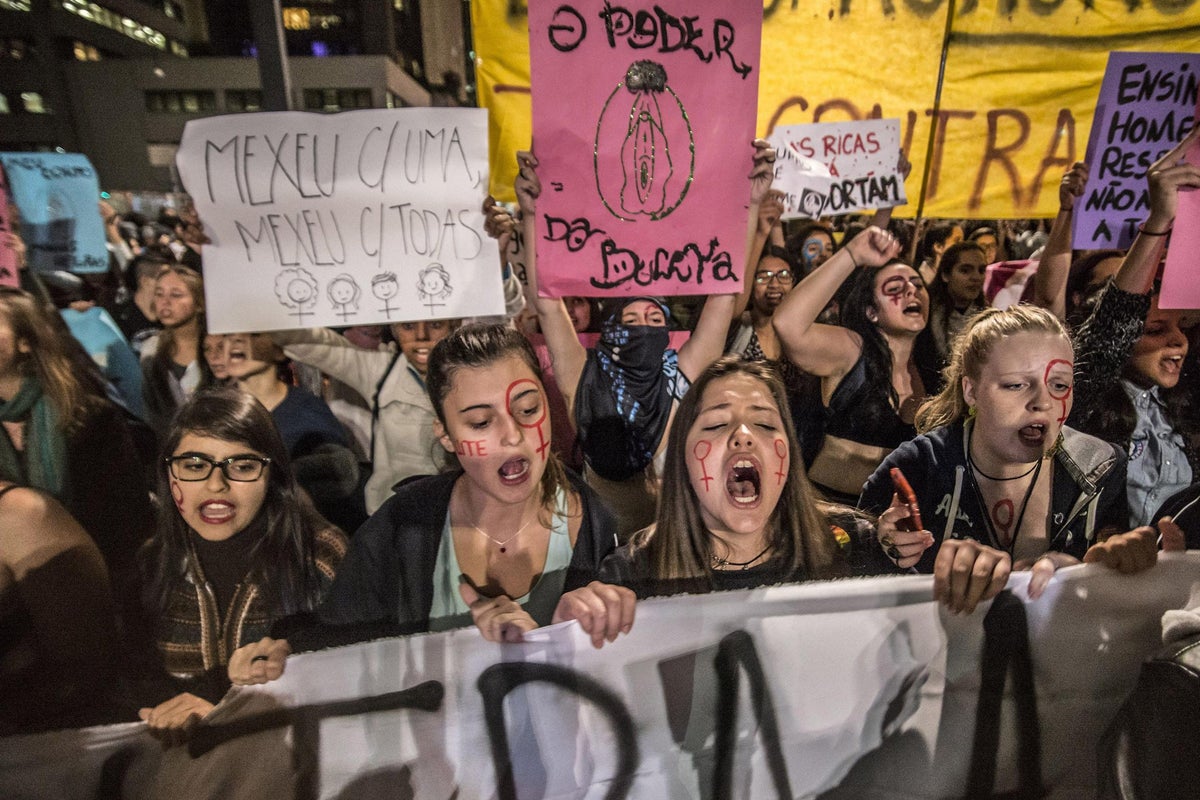
The immediate aftermath was characterized by widespread condemnation, protests, and a surge of media coverage. However, beneath the surface of outrage, a more nuanced and often disturbing dialogue began to unfold. This moment became a crucible for testing public values and norms surrounding women's autonomy, consent, and bodily integrity. The sheer scale and public nature of the discussion, particularly on platforms like news portals and social media, revealed a society grappling with its own biases and interpretations of gender roles and violence.
- Shock and Outcry: The initial reaction was one of profound shock and anger, leading to immediate calls for justice.
- Media Amplification: News outlets played a crucial role in bringing the story to national and international prominence, though their framing varied significantly.
- Social Media Firestorm: The digital realm became a battleground for opinions, amplifying both solidarity with the victim and, disturbingly, instances of victim-blaming.
The way this estupro coletivo Rio was consumed and discussed by the public became as significant as the event itself, offering valuable insights into prevailing societal attitudes.
Navigating Social Perceptions: Consensus, Dissent, and Media Framing
The public debate surrounding the 2016 estupro coletivo Rio revealed a stark division in social perceptions. While there was a broad consensus in condemning the act of violence, a dissensual tone often emerged when attributing responsibility, discussing victim behavior, and defining the scope of the problem. This phenomenon was extensively observed in media commentary and reader responses, particularly on major news portals like G1, as highlighted by academic studies.
The concept of "framing" became crucial here. How the media chose to portray the victim, the perpetrators, and the circumstances surrounding the crime heavily influenced public reception. Unfortunately, in many instances, this framing perpetuated harmful stereotypes and reinforced a culture of victim-blaming. Questions about the victim's past, her choices, or her presence in a certain location often overshadowed the undeniable fact of the violence committed against her. This tendency reflects a deeply ingrained societal issue where the onus of preventing sexual assault is unfairly placed on the potential victim rather than on the perpetrator.
The Pervasiveness of Victim-Blaming Narratives
One of the most disheartening aspects of the post-incident debate was the prevalence of victim-blaming. Comments on news articles and social media often veered into discussions that questioned the victim's character, dress, or choices, effectively diverting attention from the criminality of the act itself. This narrative serves to:
- Excuse Perpetrators: By finding fault with the victim, the moral culpability of the aggressors is subtly diminished.
- Reinforce Gender Stereotypes: It suggests that women are responsible for preventing male aggression, rather than men being responsible for their actions.
- Silence Future Victims: It creates an environment where victims fear coming forward, anticipating judgment rather than support.
Conversely, a strong counter-narrative emerged, championed by feminist activists, human rights organizations, and a segment of the public. This perspective firmly rejected victim-blaming, emphasizing instead the systemic nature of sexual violence, the importance of consent, and the need for a cultural shift. This critical discourse highlighted that a collective rape, like the estupro coletivo Rio, is not an isolated incident but a symptom of a society grappling with deeply entrenched patriarchy and a lack of respect for women's bodily autonomy.
To further understand the nuances of these societal reactions, Unpacking Social Readings of the 2016 Rio Collective Rape Incident offers deeper insights into the complex interplay of cultural norms and media representation.
The Debate: Elevating Sexual Violence to a Public Problem
The estupro coletivo Rio effectively transformed sexual violence, particularly collective rape, into an urgent "public problem" demanding collective attention and policy responses. The academic framework of "public problem" highlights how certain events, through public discourse and media attention, transition from private misfortunes to issues requiring societal intervention. This incident forced a re-evaluation of Brazilian values and norms concerning women's rights and safety.
The intense public debate spurred by the incident pushed authorities and civil society to engage more deeply with the issue. While specific legislative changes directly resulting from this single event might be hard to quantify, the incident undeniably energized existing movements and spurred calls for greater legal protection, more effective law enforcement, and comprehensive educational programs.
Actionable Insights for Combating Sexual Violence:
- Challenging Victim-Blaming: Actively confront and dismantle narratives that shift blame onto survivors. Emphasize that consent must be enthusiastic and continuous.
- Promoting Consent Education: Implement robust, age-appropriate education programs in schools and communities that teach about consent, healthy relationships, and gender equality.
- Supporting Survivors: Ensure access to comprehensive support services, including psychological counseling, legal aid, and safe shelters for survivors of sexual violence.
- Advocating for Legal Reform: Push for laws that adequately define sexual violence, ensure timely prosecution of perpetrators, and provide justice for survivors.
- Encouraging Bystander Intervention: Empower individuals to safely intervene when they witness potentially harmful situations or hear remarks that perpetuate sexual violence.
The public debate also underscored the critical need for a more empathetic and responsible media approach, one that prioritizes the dignity of survivors and avoids sensationalism or harmful speculation. This incident served as a stark reminder that media outlets carry a significant ethical responsibility in shaping public opinion and influencing societal responses to sensitive issues.
Lessons Learned and Ongoing Challenges in the Fight Against Sexual Violence
The 2016 estupro coletivo Rio stands as a grim but crucial marker in Brazil's ongoing struggle against sexual violence. It highlighted not only the horrific reality of such crimes but also the pervasive societal attitudes that enable them and often impede justice for survivors. The incident prompted a period of intense reflection, exposing the fault lines between deeply entrenched misogynistic views and a growing demand for gender equality and respect.
Years later, the reverberations of this event continue to shape discussions around sexual violence, public safety, and women's rights in Brazil. While progress has been made in raising awareness and fostering greater public discourse, significant challenges remain. These include:
- Cultural Shift: The slow pace of changing deeply ingrained cultural norms that condone or normalize various forms of gender-based violence.
- Access to Justice: Persistent obstacles for survivors in accessing timely and effective legal justice, often compounded by systemic biases.
- Prevention and Education: The ongoing need for widespread, effective prevention programs that target the root causes of sexual violence, including gender inequality and harmful masculinities.
- Digital Harms: The evolving challenge of combating the online dissemination of non-consensual images and the proliferation of harmful content related to sexual violence.
Understanding the nuances of the 2016 case is vital for anyone studying the dynamics of sexual violence in Brazil. For a more detailed examination of the incident itself and its direct implications, consider reading Sexual Violence in Rio: Analyzing the 2016 Collective Rape Case.
Conclusion
The estupro coletivo Rio of 2016 was a tragic event that served as a powerful catalyst for a much-needed public debate on sexual violence in Brazil. It illuminated the painful chasm between a society's aspirational values and its deeply ingrained prejudices, particularly those that victimize women and excuse perpetrators. The incident underscored the critical role of media in shaping perceptions, the enduring challenge of victim-blaming, and the urgent necessity of elevating sexual violence to a primary public concern demanding concerted action.
While the path towards eradicating sexual violence is long and complex, the discourse generated by this event contributed significantly to galvanizing advocacy, challenging harmful norms, and fostering a stronger collective voice for survivors. It stands as a potent reminder that sustained vigilance, comprehensive education, and unwavering commitment to justice are essential in forging a society where all individuals can live free from the threat of sexual violence.